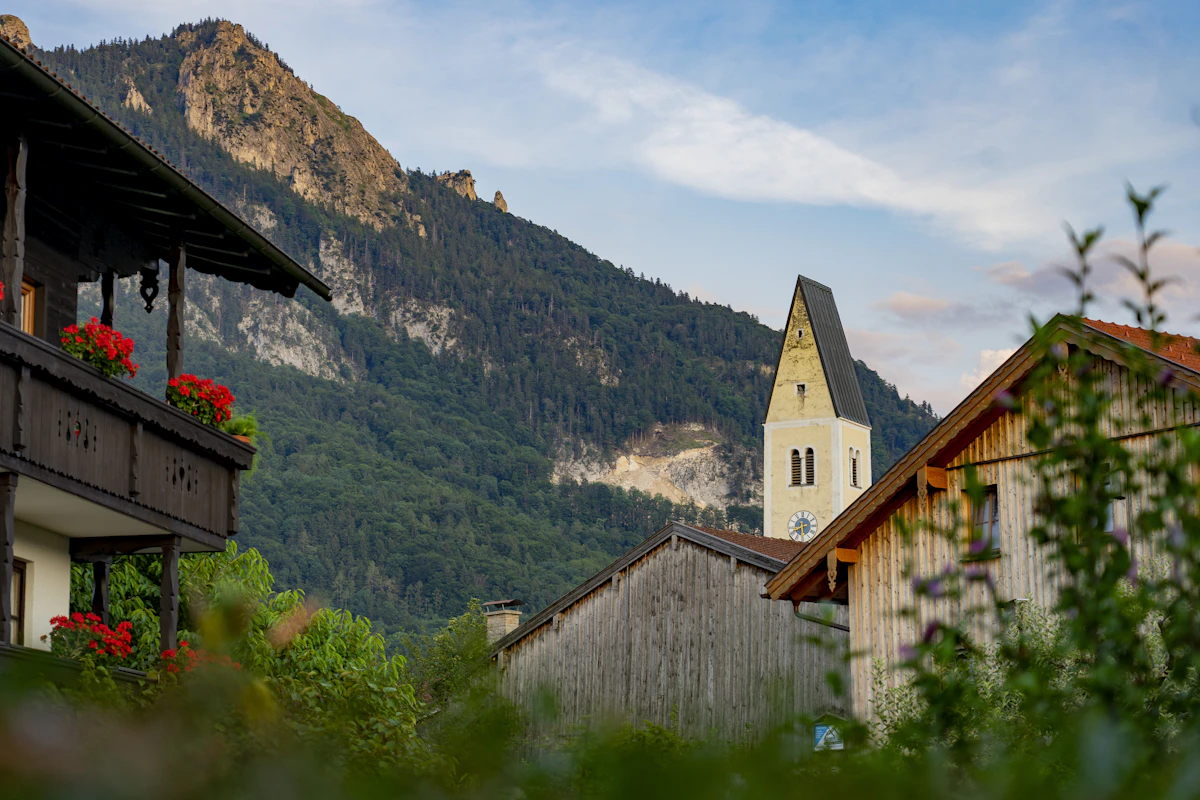
The Allgäu region reveals itself gradually—layer upon layer of natural beauty, cultural depth, and culinary excellence. This guide distills years of local knowledge into essential experiences for the discerning traveler.
Whether you have three days or three weeks, these carefully curated recommendations ensure an authentic encounter with Bavaria's most enchanting landscape.
Historic Landmarks
Neuschwanstein Castle
The definitive fairy-tale castle and King Ludwig II's most ambitious creation. Book the early morning or evening tours to experience the interiors in relative solitude. The throne room and singers' hall are architectural masterworks that reward contemplation.
Hohenschwangau Castle
Ludwig II's childhood residence offers intimate insights into the royal family's daily life. The Neo-Gothic interiors feature original furnishings and a remarkable collection of Romantic-era paintings. Less crowded than its famous neighbor, yet equally compelling.
Wieskirche
A UNESCO World Heritage pilgrimage church representing the pinnacle of Bavarian Rococo. The interior's stucco work and frescoes create an almost ethereal atmosphere. Located 30 minutes north, it pairs beautifully with a pastoral drive through agricultural valleys.
Füssen Old Town
Medieval streets lined with painted facades, artisan workshops, and refined boutiques. The High Castle overlooks the town, while the Monastery of St. Mang houses a notable late-Gothic cloister. Wednesday and Friday markets showcase regional produce.
Culinary Experiences
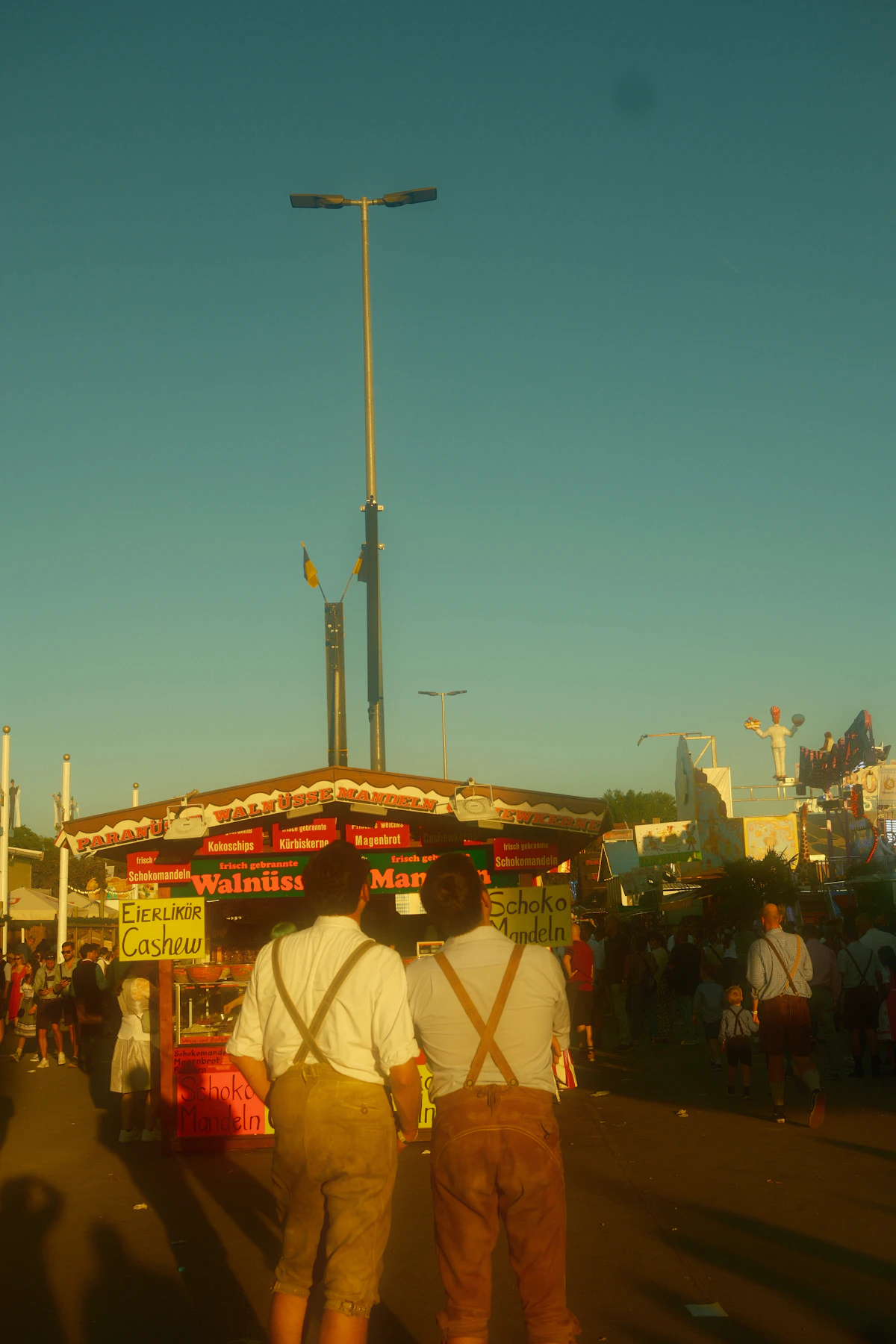
Allgäu cuisine balances rustic tradition with contemporary refinement. Local chefs work closely with alpine farmers and artisan producers to showcase regional ingredients at their peak.
Regional Specialties
- Käsespätzle: Hand-formed egg noodles with mountain cheese and crispy onions
- Allgäuer Bergkäse: Alpine cheese aged in mountain cellars, varying by elevation
- Hirschgulasch: Slow-braised venison with forest mushrooms and spätzle
- Maultaschen: Filled pasta pockets, a Swabian tradition perfected here
- Kaiserschmarrn: Shredded pancake with plum compote and powdered sugar
Mountain Hut Dining
Traditional alpine huts accessible by cable car or hiking trails serve hearty fare in spectacular settings. Tegelberghaus and Bleckenau are particularly atmospheric, with panoramic terraces overlooking the valley below.
Brewery Tours
The region's brewing heritage spans centuries. Small-batch breweries in Füssen and surrounding villages offer tastings and cellar tours. Pair craft beers with house-made sausages and pretzels in centuries-old beer gardens.
Natural Attractions
Alpsee Lake
Arguably the most photogenic lake in Bavaria, with emerald waters reflecting Hohenschwangau Castle. A lakeside path encircles the water, passing through beech forests and offering swimming access at designated areas. Rowboat rentals available.
Lechfall Waterfall
A dramatic cascade where the Lech River thunders through a narrow gorge. The viewing bridge provides thrilling perspectives, while surrounding trails lead to quieter forest walks. Particularly impressive during spring snowmelt.
Tegelberg Cable Car
Ascend 1,720 meters in eight minutes for sweeping Alpine panoramas. The summit station accesses hiking routes, paragliding launch sites, and a mountain restaurant. On clear days, visibility extends to 200 kilometers.
Pollat Gorge
A narrow canyon carved by glacial meltwater, accessible via a dramatic footbridge beneath Neuschwanstein Castle. The path requires sure footing but rewards with perspectives impossible to capture from above. Open April through October.
Day Trip Suggestions
The Castle Circuit
Morning: Early tour of Neuschwanstein, followed by coffee at Schlosshotel Lisl
Midday: Hohenschwangau Castle tour, lunch at Müller Hotel
Afternoon: Lakeside walk at Alpsee, return via Pollat Gorge
Wellness & Nature
Morning: Forest bathing session or gentle valley hike
Midday: Light lunch at a lakeside café
Afternoon: Extended thermal spa session at Königliche Kristall-Therme
Cultural Immersion
Morning: Füssen Old Town exploration, visit Museum of Füssen
Midday: Traditional lunch at a historic gasthaus
Afternoon: Wieskirche pilgrimage church, countryside drive
Seasonal Highlights
Spring (April-May)
Wildflower meadows, waterfall peak flow, moderate temperatures ideal for hiking. Easter markets in village squares.
Summer (June-August)
Lake swimming, alpine wildflowers, longest daylight hours. Peak season brings crowds; book early and favor early morning activities.
Autumn (September-October)
Golden foliage, harvest festivals, comfortable hiking temperatures. Fewer tourists create a more intimate castle experience.
Winter (December-March)
Snow-crowned castles, Christmas markets, thermal spa season. Cross-country skiing and winter hiking on groomed trails.
Practical Information
Getting Around: While a car offers maximum flexibility, regional buses connect major sites efficiently. Many hotels provide shuttle services to castles and cable cars.
Castle Tickets: Purchase timed-entry tickets online weeks in advance, especially for summer visits. Same-day tickets sell out by mid-morning during peak season.
Local Currency: While cards are widely accepted, smaller mountain huts and village shops may prefer cash.
Best Time to Visit: Late May-early June and September-early October offer optimal weather with fewer crowds. For winter magic, visit mid-December through January.